Sure! Here’s a clear and friendly step-by-step guide on how to design your own custom stuffed animal — perfect if you want to create a unique plush toy for yourself, a gift, or even a business idea.
How to Design Your Own Custom Stuffed Animal: Step-by-Step Guide
Step 1: Define Your Concept and Purpose
- Decide on the animal or character: Is it a realistic animal like a bunny, dog, or a fantasy creature?
- Purpose: Is it for a gift, a brand mascot, a kid’s toy, or a promotional item? Knowing this helps shape the design.
Step 2: Sketch Your Design
- Draw rough sketches of your stuffed animal from multiple angles (front, side, back).
- Focus on key features: size, shape, facial expressions, special details like wings, tails, accessories, or clothes.
Step 3: Choose Materials
- Fabric: Plush fabric types like minky, fleece, velboa, or cotton depending on the look and feel you want.
- Stuffing: Polyfill is common, but you can also choose beans or pellets for weighted toys.
- Details: Buttons, embroidery, patches, or plastic eyes/noses.
Step 4: Create a Pattern
- Turn your sketches into flat patterns that can be cut out of fabric.
- You can draft these yourself if you have sewing skills or hire a professional pattern maker.
- Consider scale, seam allowance, and assembly order.
Step 5: Prototype Your Design
- Cut fabric based on your pattern and sew the pieces together to create a prototype.
- Stuff it lightly and check proportions, features, and overall look.
- Adjust the pattern or design based on what you observe.
Step 6: Add Details and Finishing Touches
- Embroider or sew on facial features or logos.
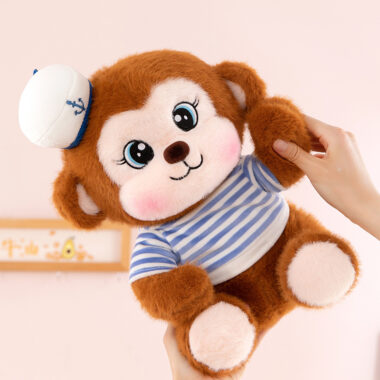
- Attach accessories like bows, clothes, or hats.
- Double-check stitching for durability, especially if it’s for kids.
Step 7: Test Safety and Quality
- Ensure materials are non-toxic and safe for your target audience (especially for children).
- Test seams, stuffing, and small parts to avoid choking hazards.
Step 8: Finalize and Produce
- Once satisfied with the prototype, prepare the final production pattern and tech pack.
- Decide on manufacturing: DIY at home, local craftsman, or wholesale/custom factory.
- Consider ordering in bulk if making for resale.
Step 9: Packaging and Branding
- Design tags, labels, or packaging that reflect your brand or story.
- Include care instructions and safety info.
Step 10: Launch and Share
- Photograph your stuffed animal professionally for marketing.
- Share on social media, your website, or e-commerce platforms.
- Gather customer feedback for future improvements.
Would you like me to help with design templates, material recommendations, or maybe a checklist for manufacturers?