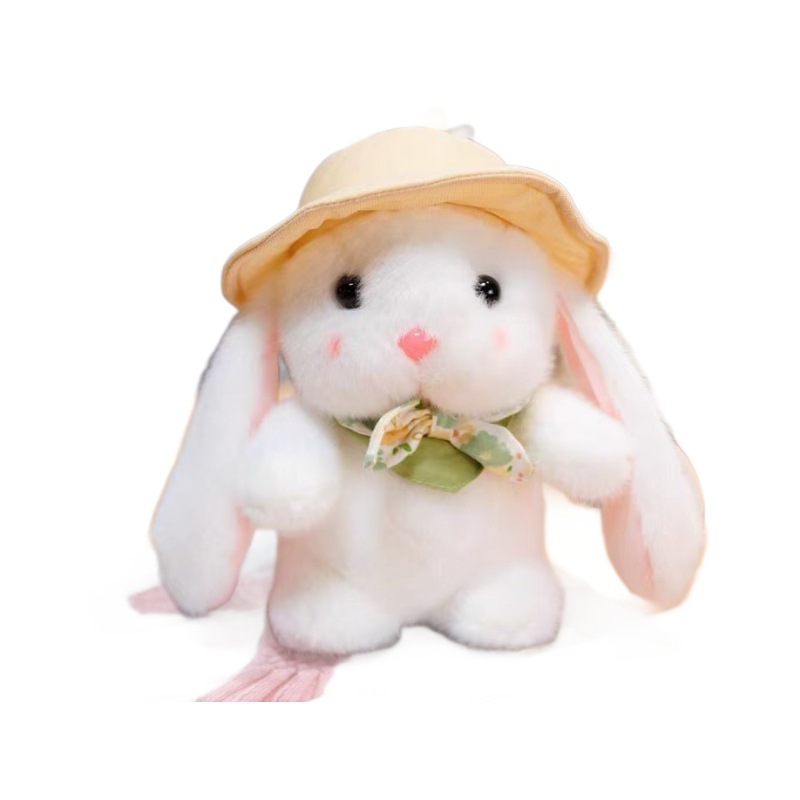
Here’s a blog post titled “The Benefits of Stuffed Animals for Child Development” — perfect for SEO targeting and valuable for parents, educators, and toy retailers.
The Benefits of Stuffed Animals for Child Development
Stuffed animals are more than just cuddly toys—they’re powerful tools in a child’s emotional, social, and cognitive development. From the beloved teddy bear to imaginative plush unicorns and dinosaurs, these soft companions play a vital role in growing up. Below, we explore how stuffed animals support children across various stages of development.
1. Emotional Comfort and Security
One of the most immediate benefits of stuffed animals is the emotional comfort they provide. Soft toys can help children cope with anxiety, fear, or unfamiliar environments. Holding a familiar plush toy during bedtime, travel, or doctor’s visits can reduce stress and build a sense of safety.
Tip: Keep a favorite stuffed animal available for transitional moments like starting daycare or preschool.
2. Boosting Imagination and Creativity
Stuffed animals often become characters in a child’s imaginative world. Whether they’re hosting tea parties or embarking on jungle adventures, these toys inspire storytelling and role-playing, which foster creativity and language development.
Example: A child pretending their plush lion is the king of the jungle is engaging in narrative thinking and character creation.
3. Encouraging Social Skills
Through pretend play with stuffed animals, children practice social interactions, such as empathy, sharing, and communication. They may model conversations, resolve conflicts, or comfort their “toys,” which mirrors real-life emotional learning.
Why it matters: These scenarios help children understand social roles and develop interpersonal skills early on.
4. Supporting Language Development
When children speak to their stuffed animals, they’re actually practicing sentence structure, expanding vocabulary, and working on pronunciation in a no-pressure environment. These toys act as loyal listeners, encouraging free expression.
Did you know? Studies show that children who engage in pretend play with toys tend to develop language skills faster.
5. Teaching Responsibility
Caring for a stuffed animal—feeding it, putting it to bed, or “teaching” it—instills a sense of responsibility and routine in young children. It’s often a stepping stone to caring for pets or siblings.
Parental tip: Use a plush toy to teach routines like brushing teeth or getting ready for bed.
6. Comfort During Milestones and Transitions
Stuffed animals can help children manage big life changes such as moving, attending school for the first time, or even welcoming a new sibling. The presence of a comforting toy offers familiarity during uncertain times.
Emotional anchor: These toys can become long-term companions throughout a child’s early years and even beyond.
7. Sleep Aid and Emotional Regulation
Many children sleep better with a stuffed animal, as the soft texture and familiar presence soothe nighttime anxiety. Over time, these toys can also help children self-regulate their emotions.
Conclusion
Stuffed animals aren’t just adorable gifts—they’re valuable developmental allies. Whether helping a toddler learn to speak, aiding a preschooler in navigating emotions, or supporting a kindergartener through social growth, these toys offer lifelong lessons disguised as soft friends.
Would you like a downloadable version of this blog post or a variation that includes keywords like “custom stuffed animals” or “plush toy supplier”?